News
17th August 2026
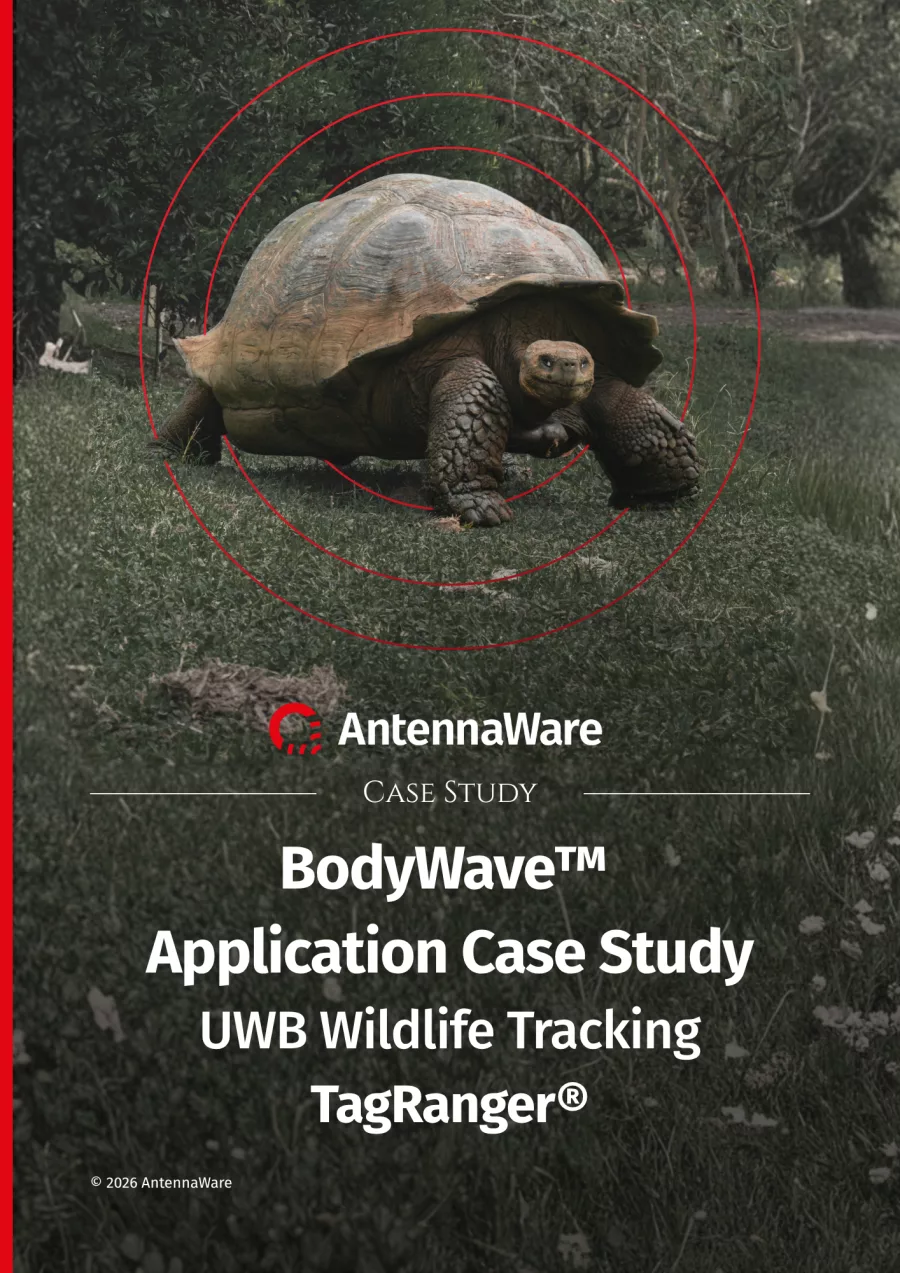
BodyWave™ Application Case Study: UWB Wildlife Tracking TagRanger®
Use Case/Case Study
8th July 2026
Senior Content Marketer
Inside TagRanger®: how BodyWave™ antenna technology finds what GPS can't
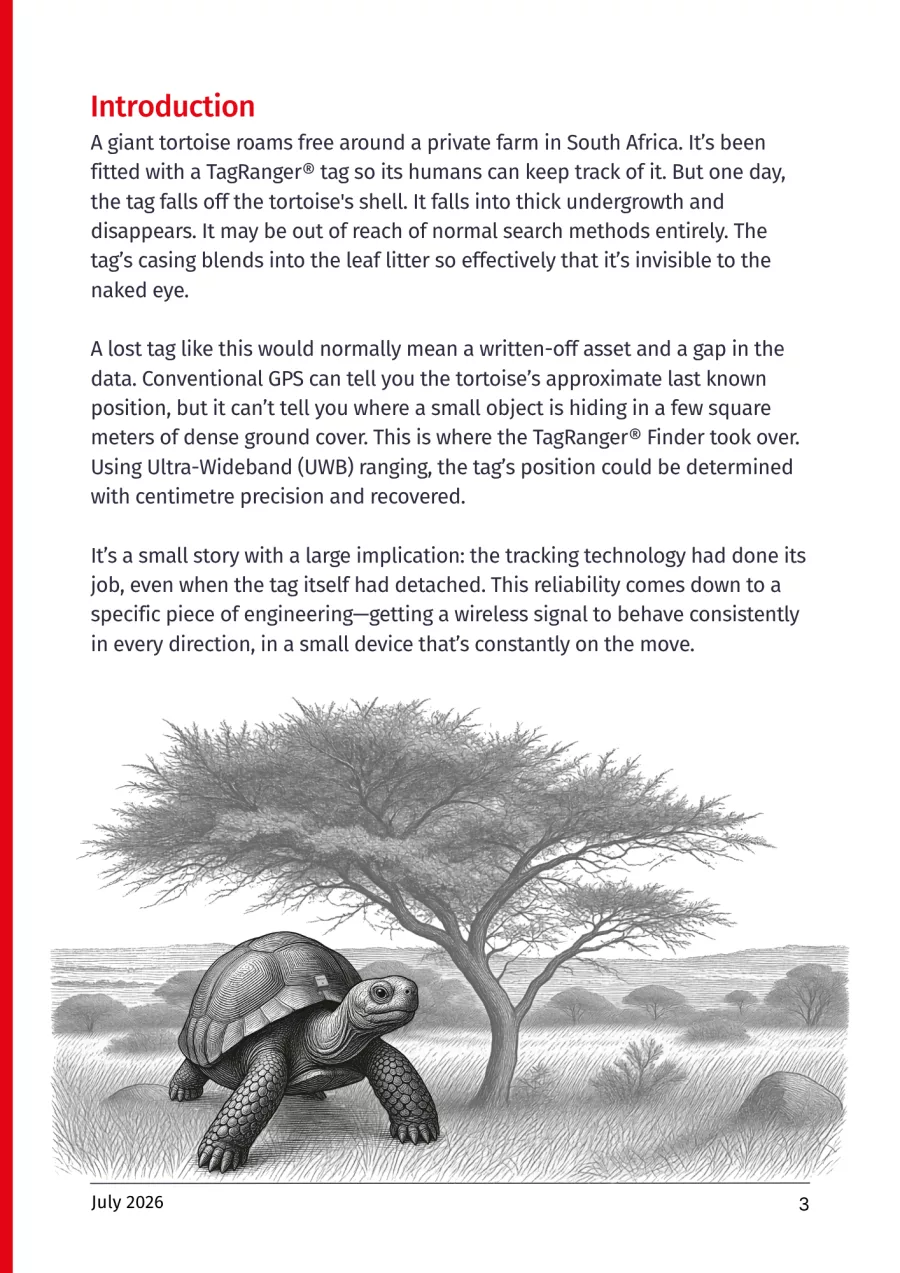
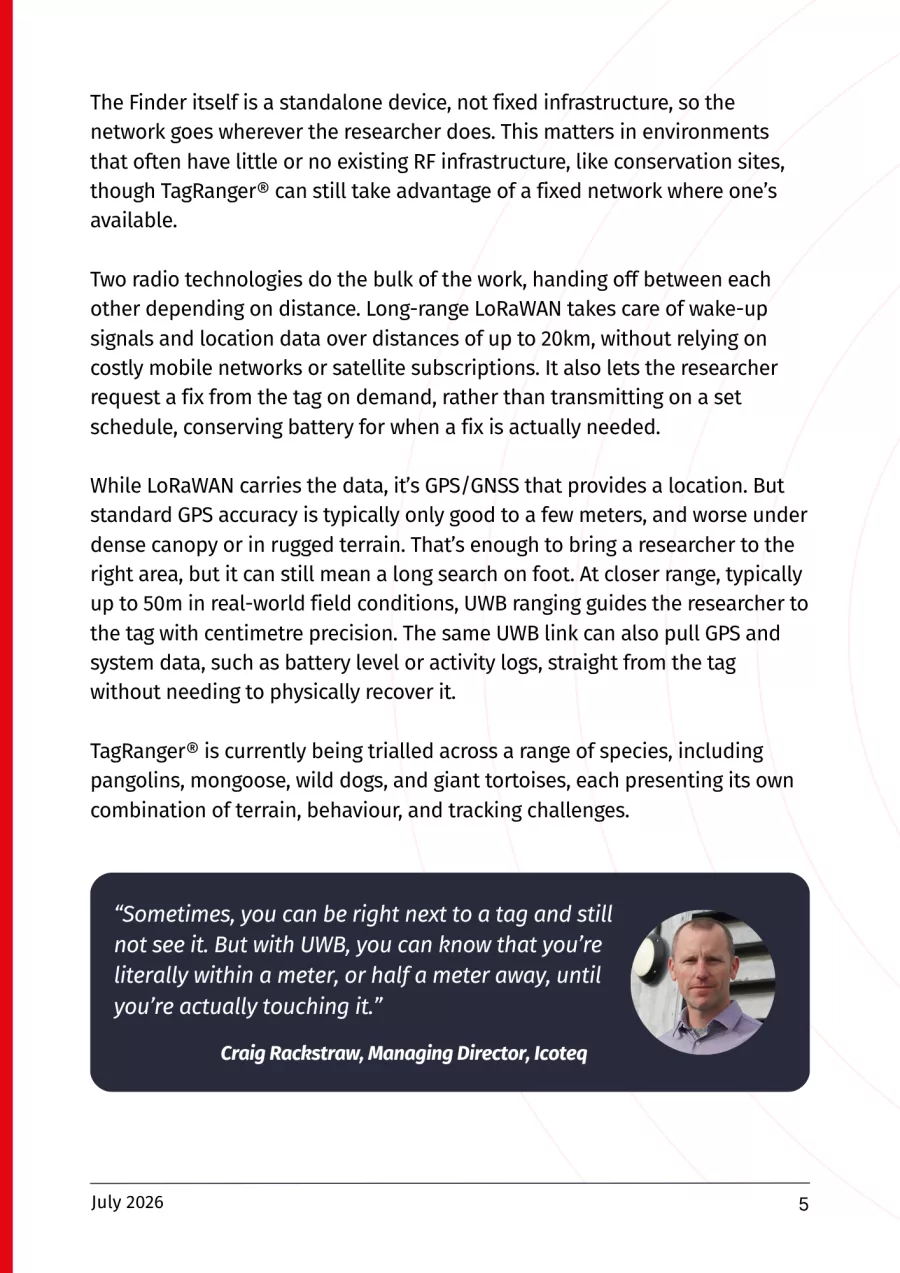
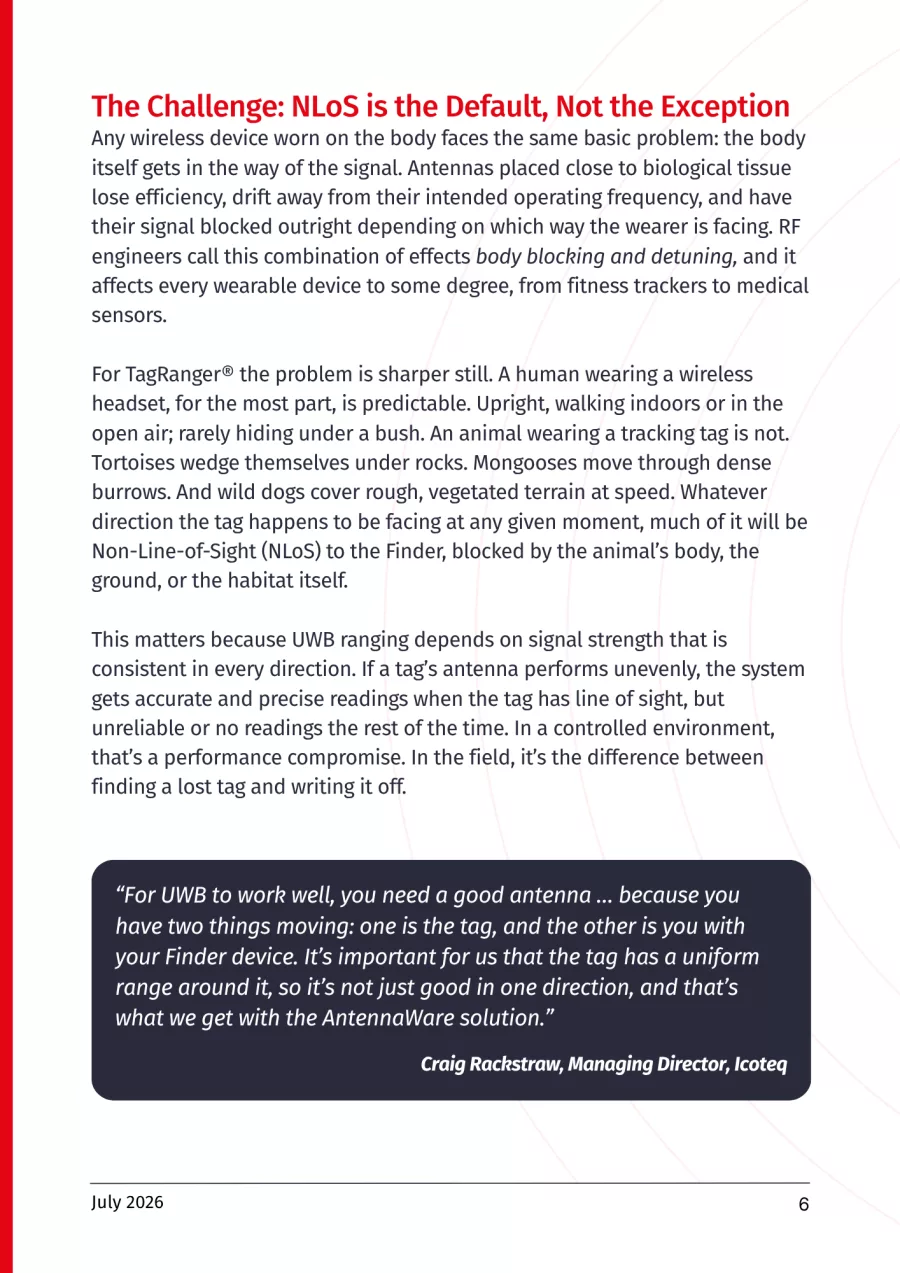
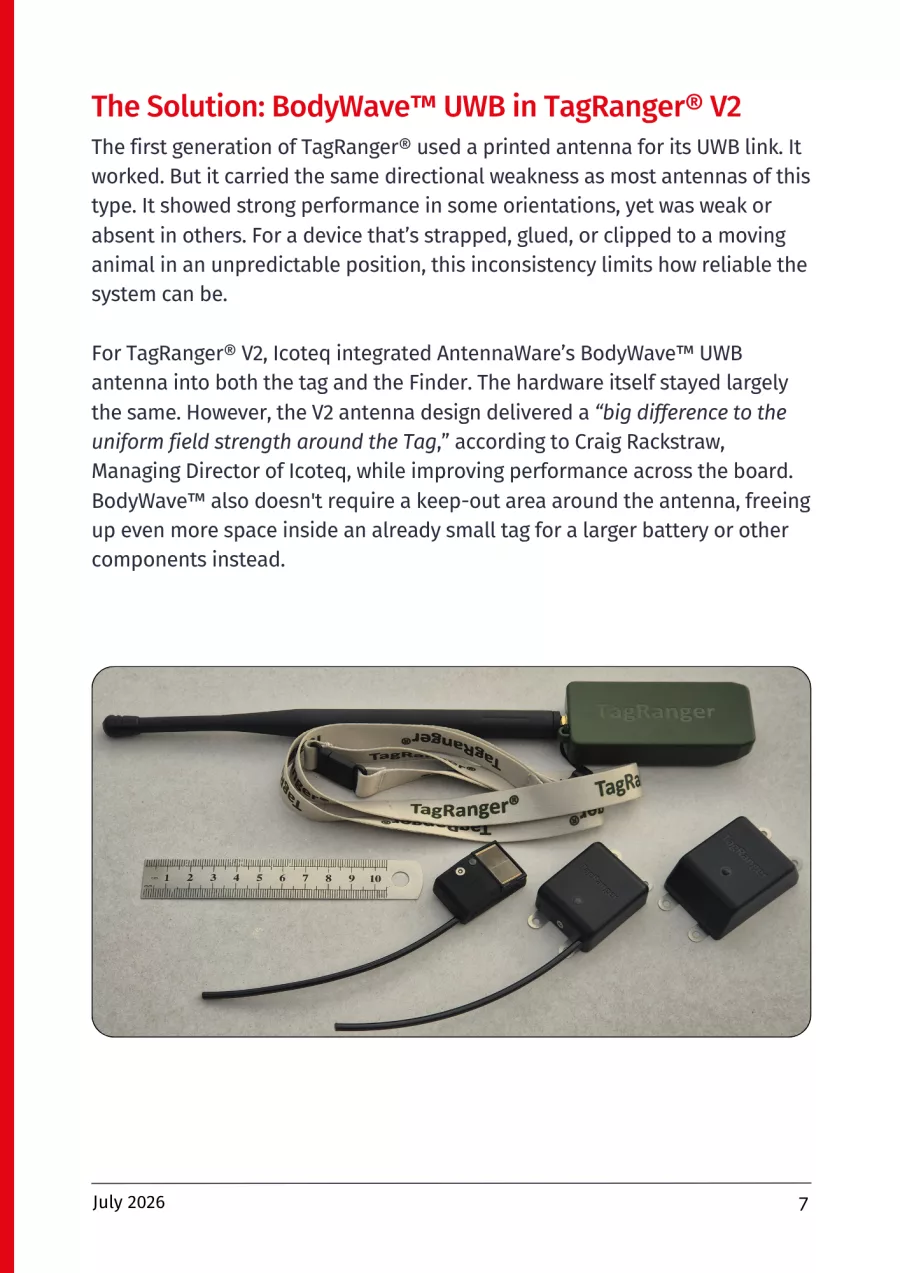
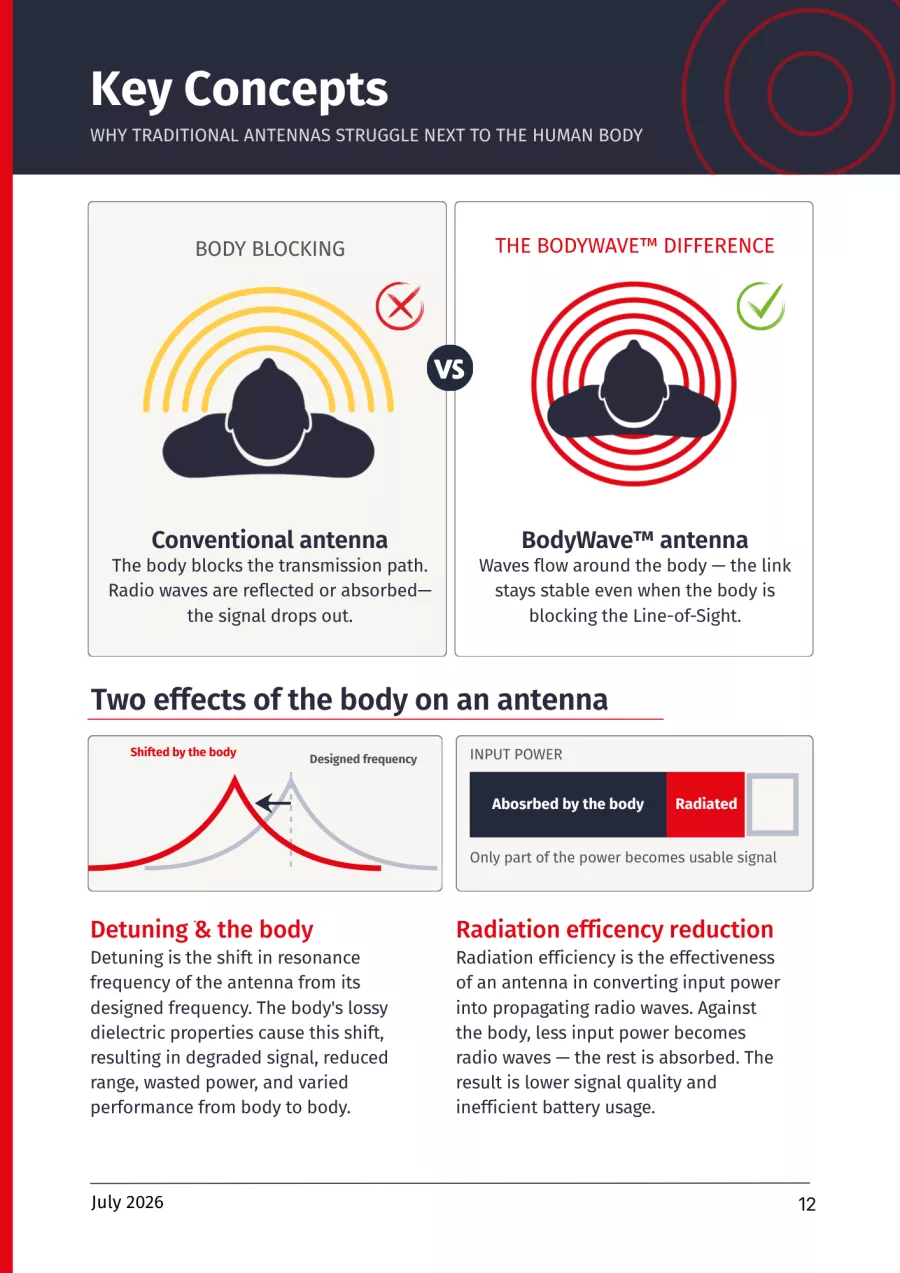
Keeping a signal reliable when a body blocks the path between devices is one of the hardest problems facing wearable device manufacturers. For wildlife tracking tags, that problem is sharper still: animals wedge themselves under rocks, move through burrows, or cover rough terrain at speed, so a tag's antenna can end up facing any direction at any moment. That’s the problem BodyWave™ antenna technology was engineered to address.
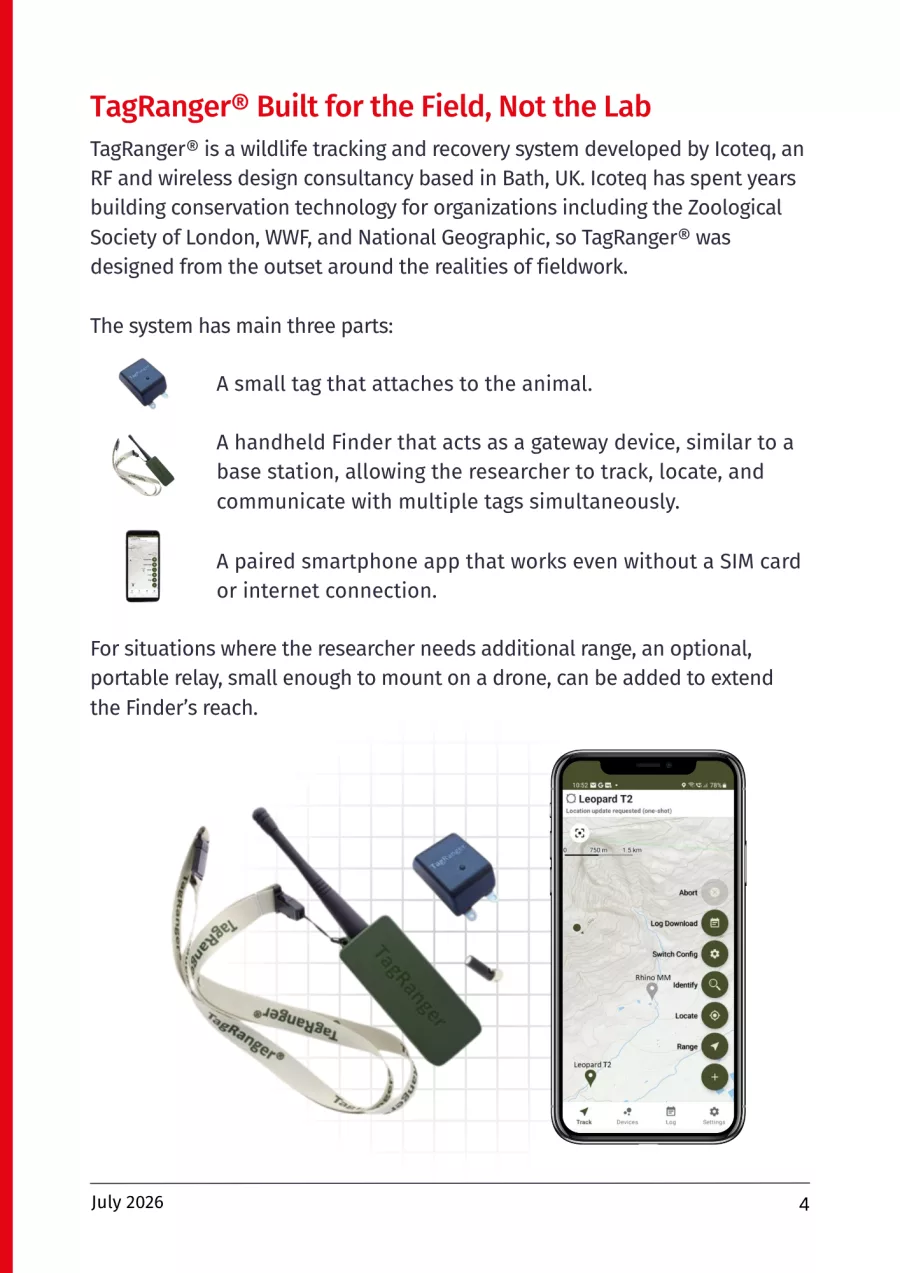
This case study shows how Icoteq integrated the BodyWave™ UWB antenna into both the tag and Finder of their TagRanger® wildlife tracking system, and the results were confirmed through their own testing, including:
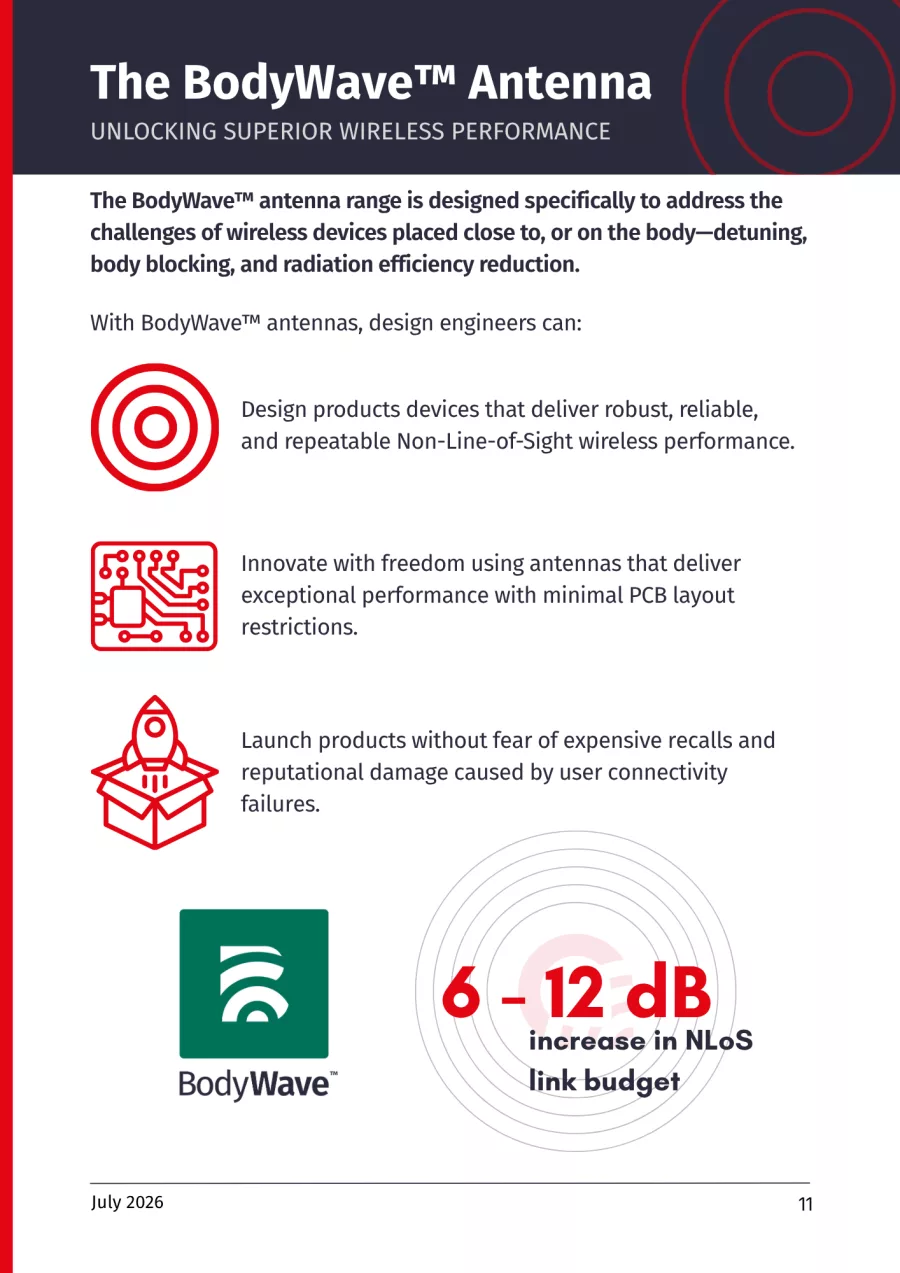
- A 6 to 12dB improvement in NLoS link budget over traditional chip and printed antennas, translating to double the usable range, or half the power needed to maintain the same range
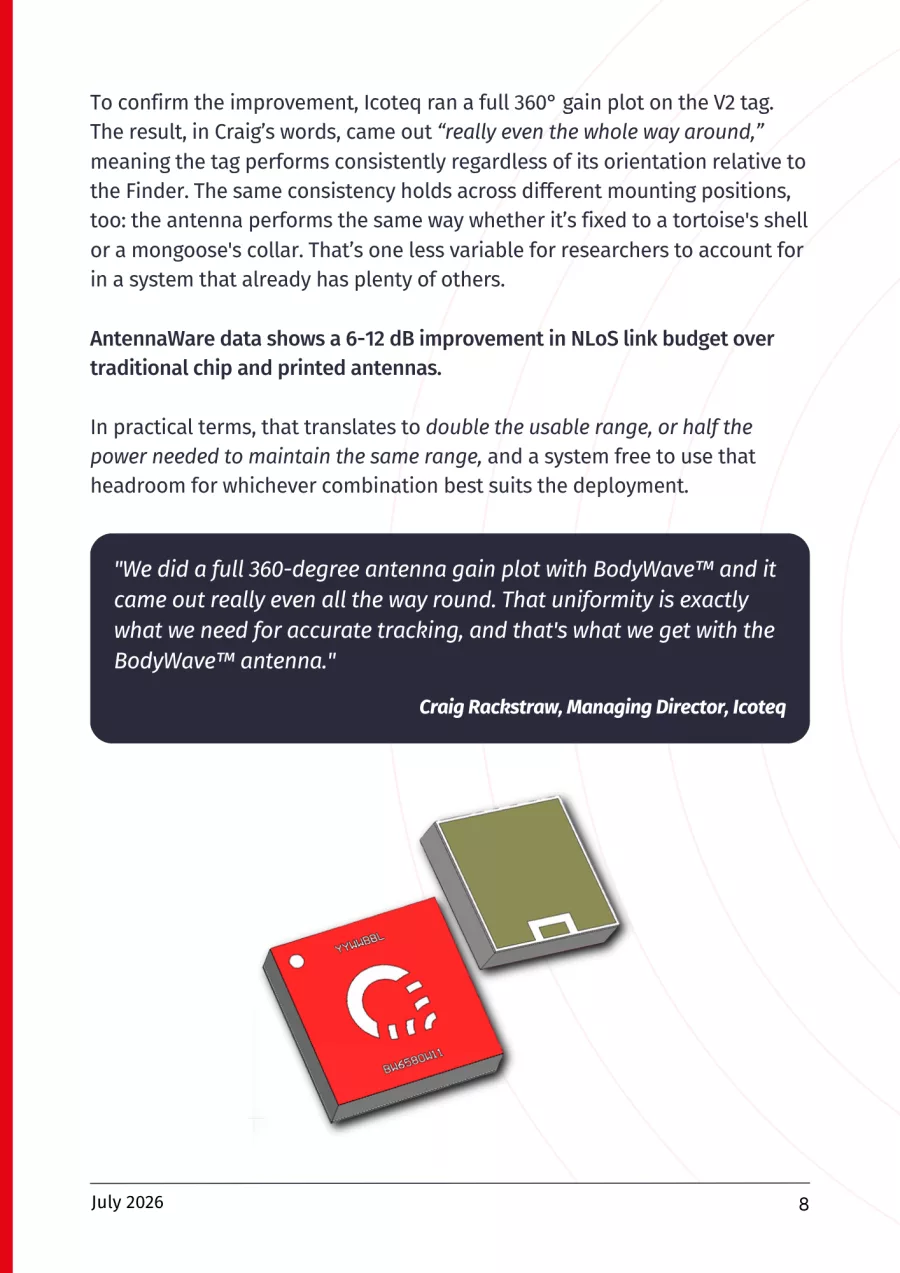
- A full 360° gain plot showing even signal strength in every direction, regardless of the tag's orientation or mounting position
- No antenna exclusion zone required, freeing space inside the tag for a larger battery
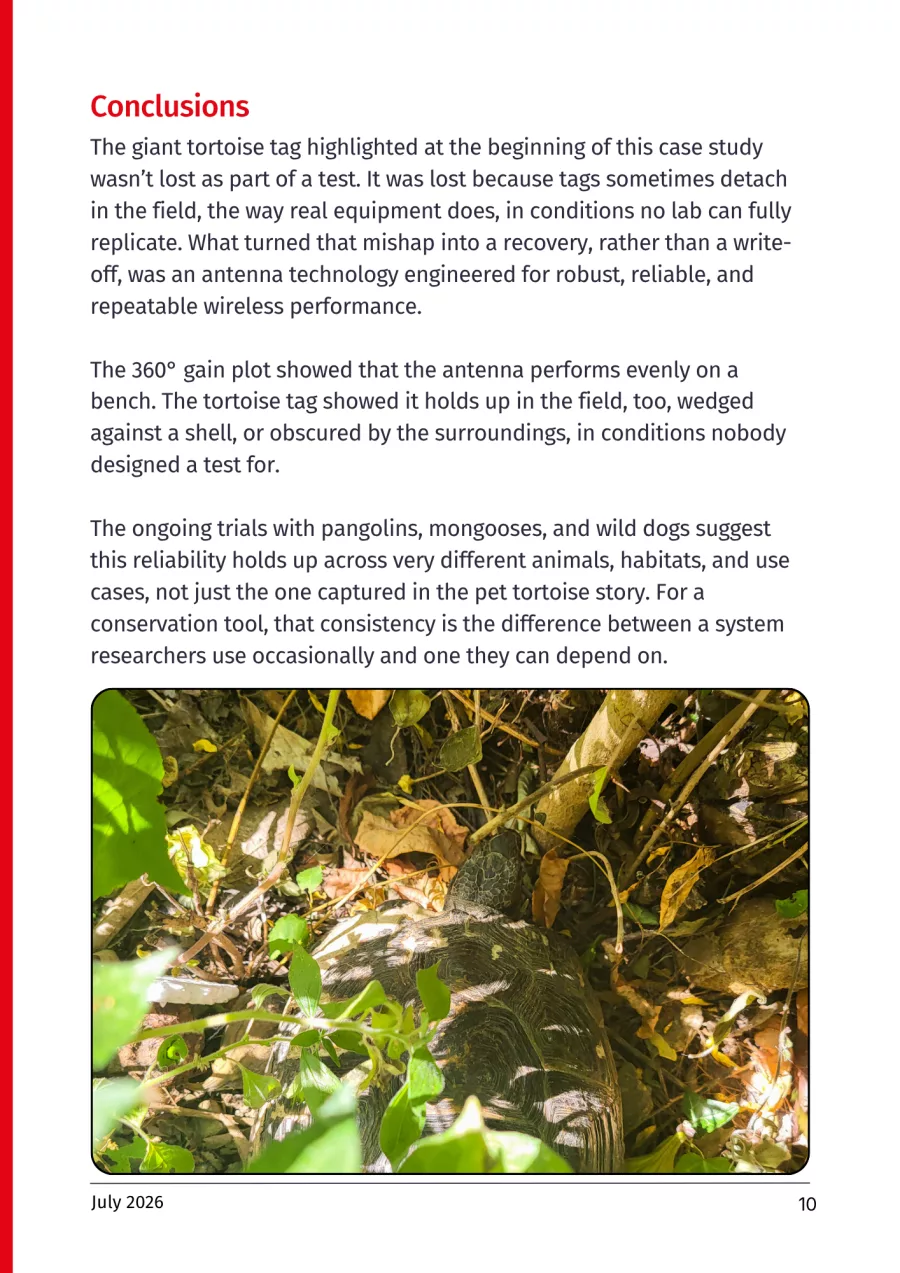
This case study covers the wireless challenge TagRanger® faced in the field, the antenna design considerations behind the solution, and the full results, including the story of a detached tag recovered from dense undergrowth using UWB ranging.
Read on below, get the case study delivered to your inbox using the form, or find out more about BodyWave™ antennas.
Ready to discover your competitive advantage with superior wireless performance?
Our antenna experts are here to help
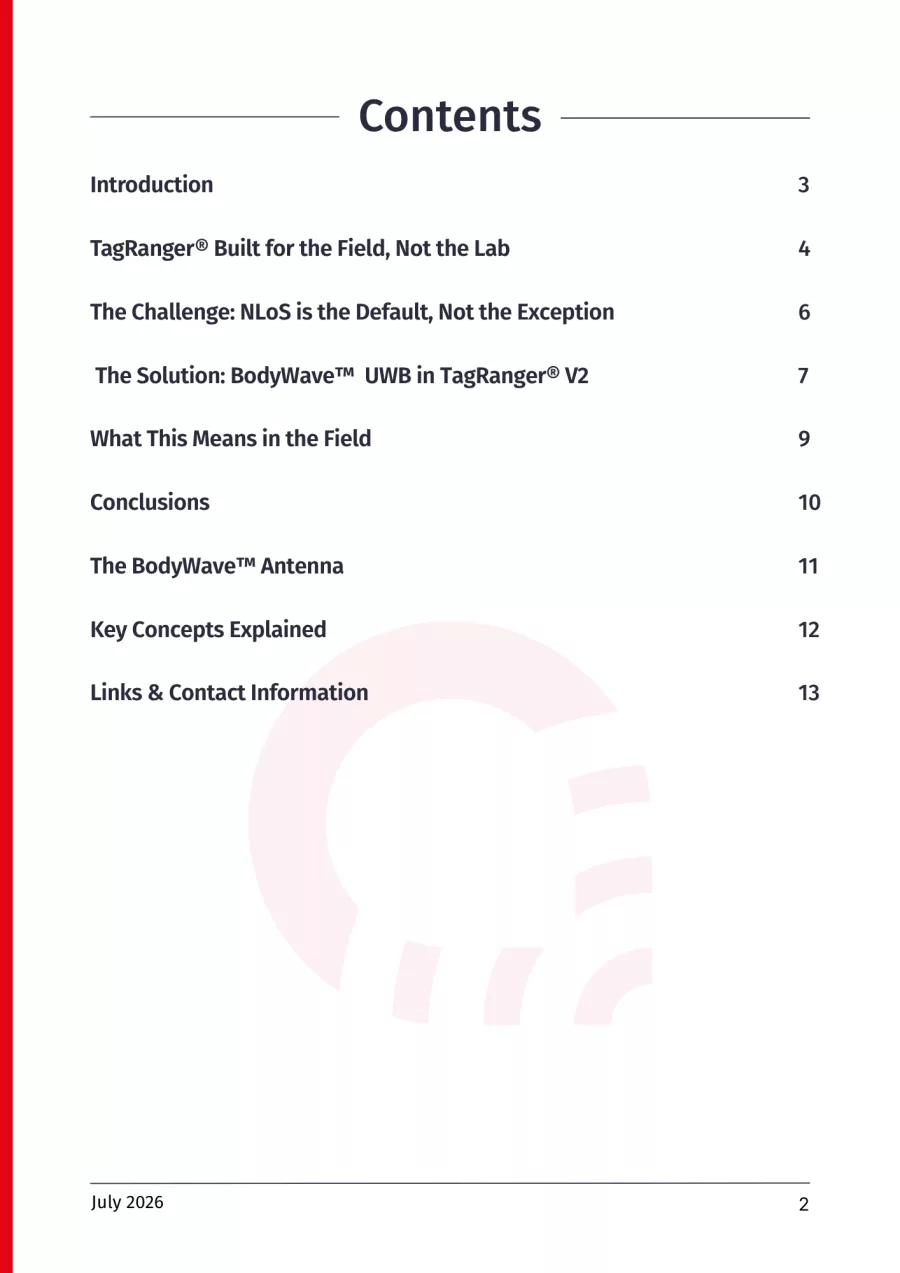


Get the PDF delivered to your inbox
Got a project you'd like to discuss with our antenna experts?
Our patented antenna technology can elevate your wireless performance and reliability, even in the most challenging environments
Videos
22nd July 2026
Whitepapers & Technical Guides
16th July 2026
Use Case/Case Study
8th July 2026
News
30th April 2026
News
30th April 2026
Follow us